
Richard Feynman
Theoretical Physicist & Nobel Laureate
About
Richard Feynman (1918–1988) was an American theoretical physicist known for his work in quantum electrodynamics, for which he shared the 1965 Nobel Prize in Physics. He developed the path integral formulation of quantum mechanics, Feynman diagrams for visualizing particle interactions, and made fundamental contributions to the theory of quantum computing. His gifts as an educator and communicator made him one of the most beloved scientists of the 20th century, known for books like Surely You're Joking, Mr. Feynman! and his celebrated Caltech lectures.
Key Contributions
- Developed quantum electrodynamics with Schwinger and Tomonaga, sharing the 1965 Nobel Prize in Physics
- Created Feynman diagrams, turning particle interactions into a visual and calculable language
- Introduced the path-integral formulation of quantum mechanics, giving physics another way to calculate and think about quantum behavior
- Proposed quantum simulation, a seed idea for quantum computing and later quantum-information research
- Made physics unusually teachable through The Feynman Lectures, public talks, and an insistence on first-principles understanding
- His Challenger O-ring testimony became a model of scientific clarity, though his public myth can overshadow collaborators and institutional context
Videos & Interviews
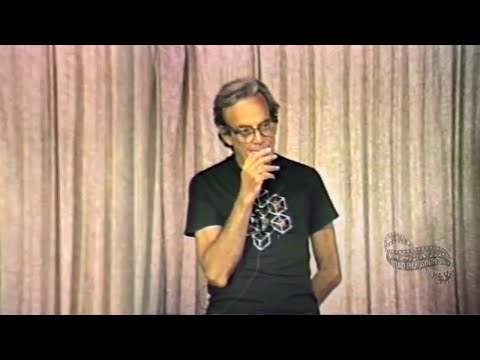
Richard Feynman: Can Machines Think?
Feynman discusses whether computers can truly think and the nature of machine intelligence
View Details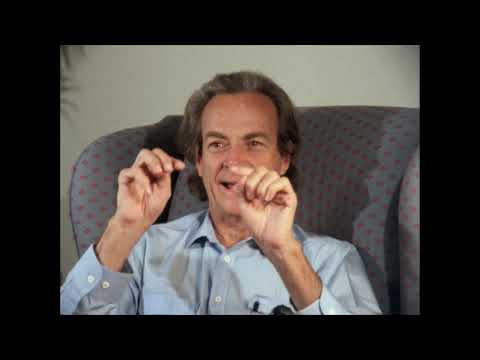
Richard Feynman: Fun to Imagine
1983 BBC series where Feynman explains the physics behind everyday phenomena
View Details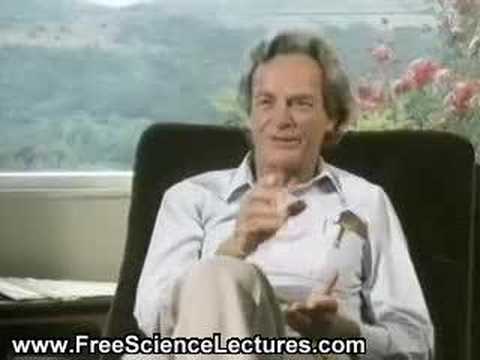
Richard Feynman: The Pleasure of Finding Things Out
1981 BBC Horizon interview covering childhood curiosity, Los Alamos, and the joy of discovery
View Details
