
David Chalmers
心智哲學家
關於
David Chalmers 是澳洲哲學家與認知科學家,任職於紐約大學,以提出「意識的困難問題」聞名——即為何物理過程會產生主觀體驗。他 1996 年的著作 The Conscious Mind 主張意識無法以純粹物理的方式加以解釋,重新振興了關於心身問題的論辯。他提出了哲學殭屍思想實驗,並與 Andy Clark 共同發展了延伸心智理論。
主要貢獻
- 提出意識的困難問題,區分功能性解釋與主觀經驗本身
- 透過哲學殭屍與《The Conscious Mind》挑戰還原式物理主義心智觀
- 發展 two-dimensional semantics 與 naturalistic dualism,重塑意義、模態與心智的分析哲學辯論
- 與 Andy Clark 共同撰寫〈The Extended Mind〉,將認知從頭顱內部擴展到工具與環境
- 透過 PhilPapers 及相關線上研究資料庫,為哲學建立基礎設施
- 認真看待機器意識的可能性;但其反物理主義論證仍受到神經科學家與功能主義者爭議
書籍

影片與訪談
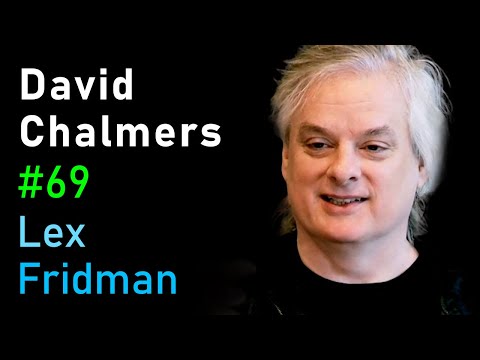
David Chalmers: The Hard Problem of Consciousness | Lex Fridman Podcast #69
In-depth discussion on consciousness, philosophical zombies, and the mind-body problem
View Details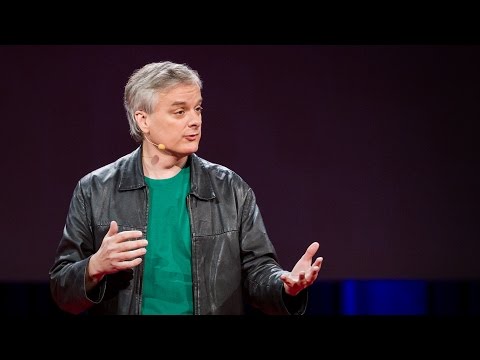
How do you explain consciousness? | David Chalmers
TED Talk on the hard problem of consciousness and why science struggles to explain subjective experience
View Details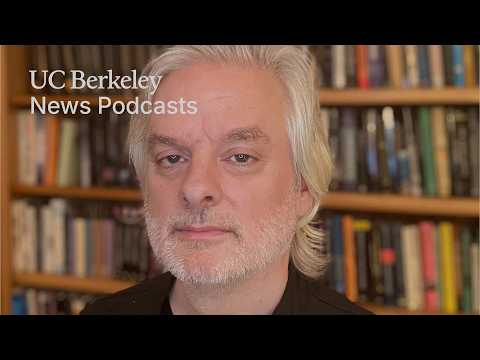
Philosopher David Chalmers asks: When we talk to AI, what are we talking to?
Inaugural Sarah Douglas Lecture on Philosophy and Artificial Intelligence at UC Berkeley, in which Chalmers argues that large language models generate short-lived conversational 'selves' rather than a single permanent mind — reshaping questions of identity and ethics
View Details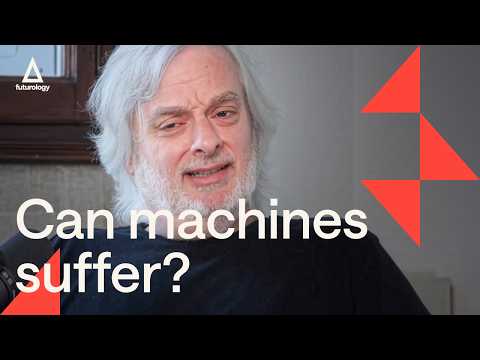
David Chalmers: AI Might Be Alive Inside | Futurology Podcast
A long conversation with Nils Gilman of the Berggruen Institute, recorded in Venice. Chalmers recounts how the hard problem got its name at the 1994 Tucson conference, walks the spectrum from illusionism to idealism and panpsychism, and revisits his 1998 bet with Christof Koch over the neural correlates of consciousness. On language models he refuses the easy dismissal: none of the usual objections (no biology, no body, no recurrence) is an obvious barrier, so he treats current-model consciousness as unlikely but not ruled out, and expects the 2030s to move past language models toward architectures with built-in emotion. Once a system is conscious, he argues, it has moral status, even a philosophical Vulcan that feels no pleasure or pain.
View Details論文與出版物
Facing Up to the Problem of Consciousness
1995Named the hard problem: why physical processing is accompanied by subjective experience at all.
閱讀論文Could a Large Language Model Be Conscious?
2023A careful audit of the arguments for and against machine consciousness, finding none decisive.
閱讀論文What We Talk to When We Talk to Language Models
2025Argues LLM interlocutors are quasi-agents with quasi-beliefs, best understood as virtual entities bound to conversation-based memory threads
閱讀論文思想連結

丹尼爾·丹尼特
觀點交鋒哲學家與認知科學家
殭屍是這場爭論的樞紐。Chalmers 主張:一個在功能上與你完全相同、卻沒有任何內在經驗的存在,至少是可設想的;而這足以顯示經驗是功能之外的另一項事實。Dennett 在〈The Unimagined Preposterousness of Zombies〉(1995)中回應:那些聲稱能設想殭屍的哲學家,其實根本沒有真正去想像。Chalmers 則在〈Moving Forward on the Problem of Consciousness〉裡反擊,點名 Dennett 是唯一明確否認有「困難問題」存在的哲學家。
dl.tufts.edu · consc.net

Thomas Nagel
受其影響Philosopher of Mind
〈Facing Up to the Problem of Consciousness〉(1995)的核心用語直接取自 Nagel:「正如 Nagel(1974)所說,成為一個有意識的有機體,是有某種感受的。」Nagel 早已論證:任何客觀描述都觸及不到經驗的主觀性格;Chalmers 為那份剩餘取了名字——困難問題——並為它在整場辯論的架構中安置了位置。這也是為什麼今天回頭讀那篇蝙蝠論文,會覺得它提早了二十年就把困難問題問了出來。
consc.net · doi.org

Sean Carroll
思想對照約翰霍普金斯大學自然哲學講座教授
關於「意識是否需要額外成分」,這是目前最乾淨的一組正面分歧。Chalmers 主張即使物理故事講完了,經驗的那份感受質地仍未被解釋——這就是「困難問題」;而 Carroll 的詩意自然主義則認為物理故事就是全部的故事,經驗只是它在較高層次上的描述,其真實性一如溫度的真實。兩人 2018 年在 Mindscape 上把這件事從頭談到尾,連哲學殭屍都搬上檯面,最後誰也沒有被說服。同一個岔路口也決定了你怎麼看語言模型:是一個缺了某種成分的系統,還是一個被放在錯誤層次上描述的系統。
preposterousuniverse.com

Andy Clark
曾經合作哲學家與認知科學家
〈The Extended Mind〉(Analysis, 1998)是兩人共同的作品:如果 Otto 的筆記本對他所起的作用,正如 Inga 的生物記憶對她所起的作用,那麼那個信念就是 Otto 的——即使它安放在他的皮膚之外。這篇文章寫在智慧型手機出現之前,如今卻成了追問下述問題的標準工具:當一個心智把回憶、乃至越來越多的推理,都外包給機器之後,還剩下什麼。
consc.net

