
華特·班雅明 (Walter Benjamin)
哲學家暨文化批評家
關於
華特·班雅明(1892–1940)是德國哲學家與文化批評家,其論文〈機械複製時代的藝術作品〉(1935)預示了當代關於 AI 生成內容與真實性的辯論。他主張機械複製使藝術喪失了「靈光」——其在時間與空間中獨一無二的存在感。在 AI 能夠生成文字、圖像與音樂的時代,班雅明關於真實性、作者身份與創作本質的追問再度變得迫切而切題。
主要貢獻
- 著有〈機械複製時代的藝術作品〉,至今仍是討論複製、媒介與真實性的核心文本
- 提出「靈光」概念,描述藝術作品在特定時間與地點中獨一存在所帶來的權威
- 指出複製能民主化近用,同時也改變藝術的政治性、儀式價值與注意力模式
- 留下《拱廊計畫》這套片段式方法,透過商品、街道與媒介閱讀現代性
- 影響法蘭克福學派批判理論、媒體研究,以及後來對攝影、電影與數位文化的討論
- 其思想很適合映照 AI 生成媒體,但若把每張合成圖都簡化為機械複製的重演,也可能過度套用
影片與訪談
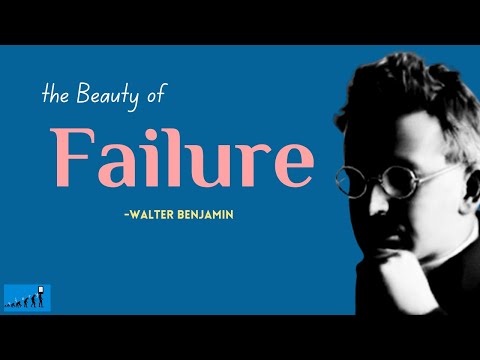
This genius failed in everything
Documentary on Walter Benjamin's life, his brilliant mind, and his tragic struggles
View Details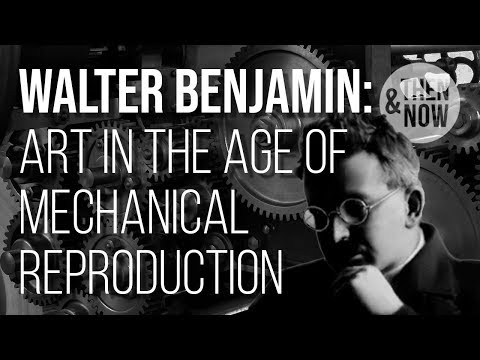
Walter Benjamin: Art in the Age of Mechanical Reproduction
Philosophy Tube analysis of Benjamin's influential essay
View Details
Walter Benjamin on Art in the Age of Its Technological Reproducibility
Exploration of Benjamin's ideas on authenticity, aura, and technological reproduction
View Details
